Silane and siloxane: what is the difference?
Related terms that do not describe exactly the same chemical structure.
Editorial team · 5 October 2026 · Practical guide
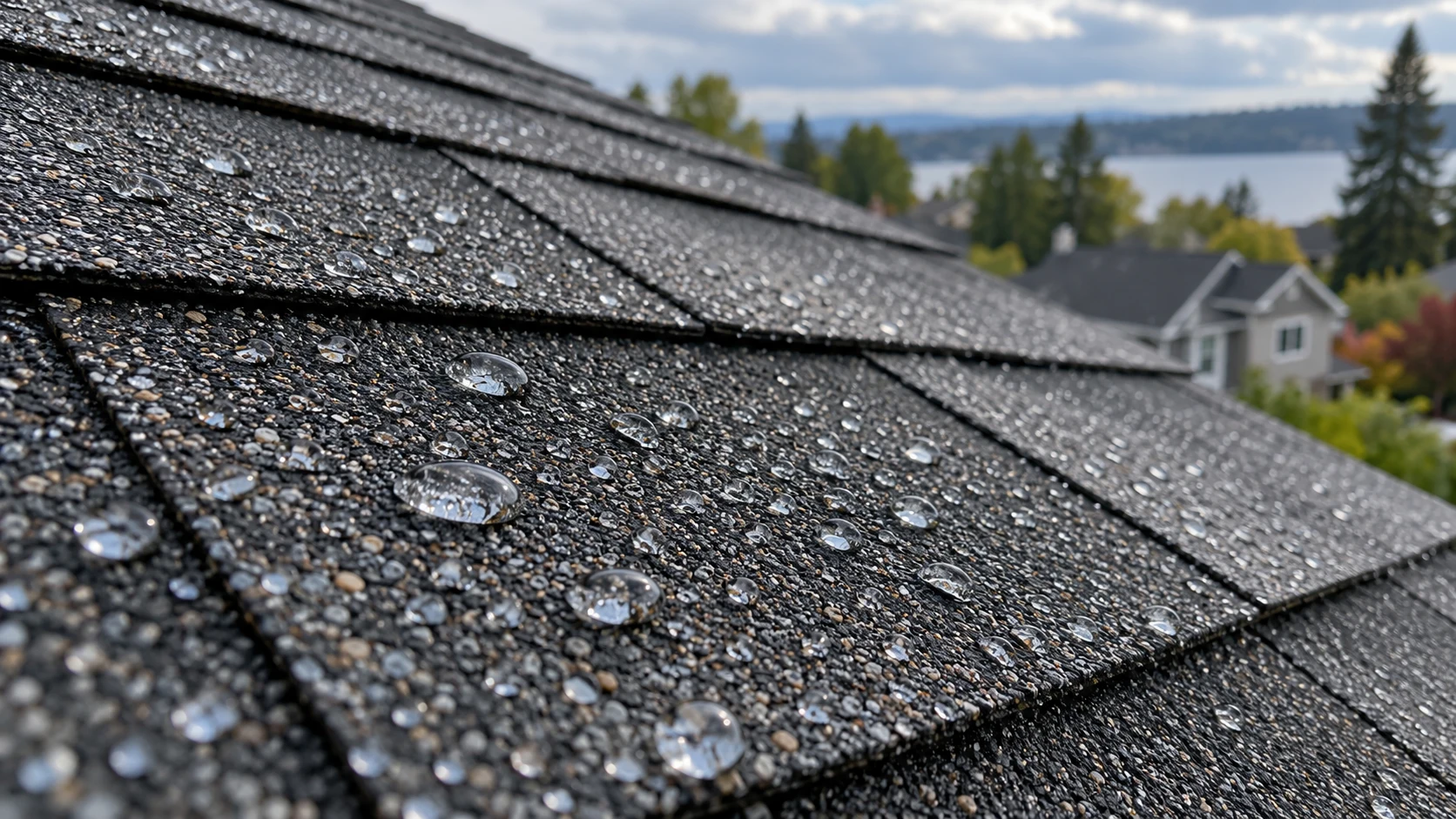
Asphalt shingles
Understand shingle water-repellent treatment, compatibility and application planning.
Explore this application ↗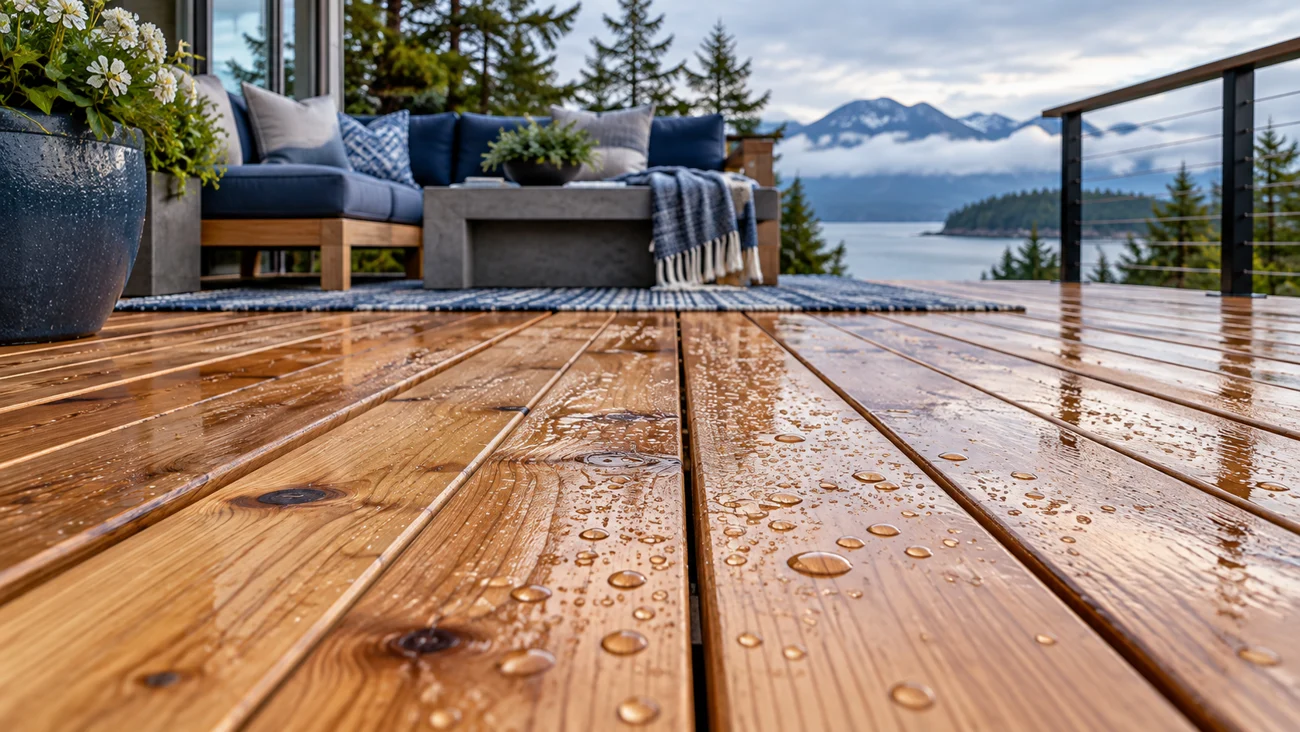
Exterior wood
Decks, fences and siding: understand protection from wetting and ongoing maintenance.
Explore this application ↗
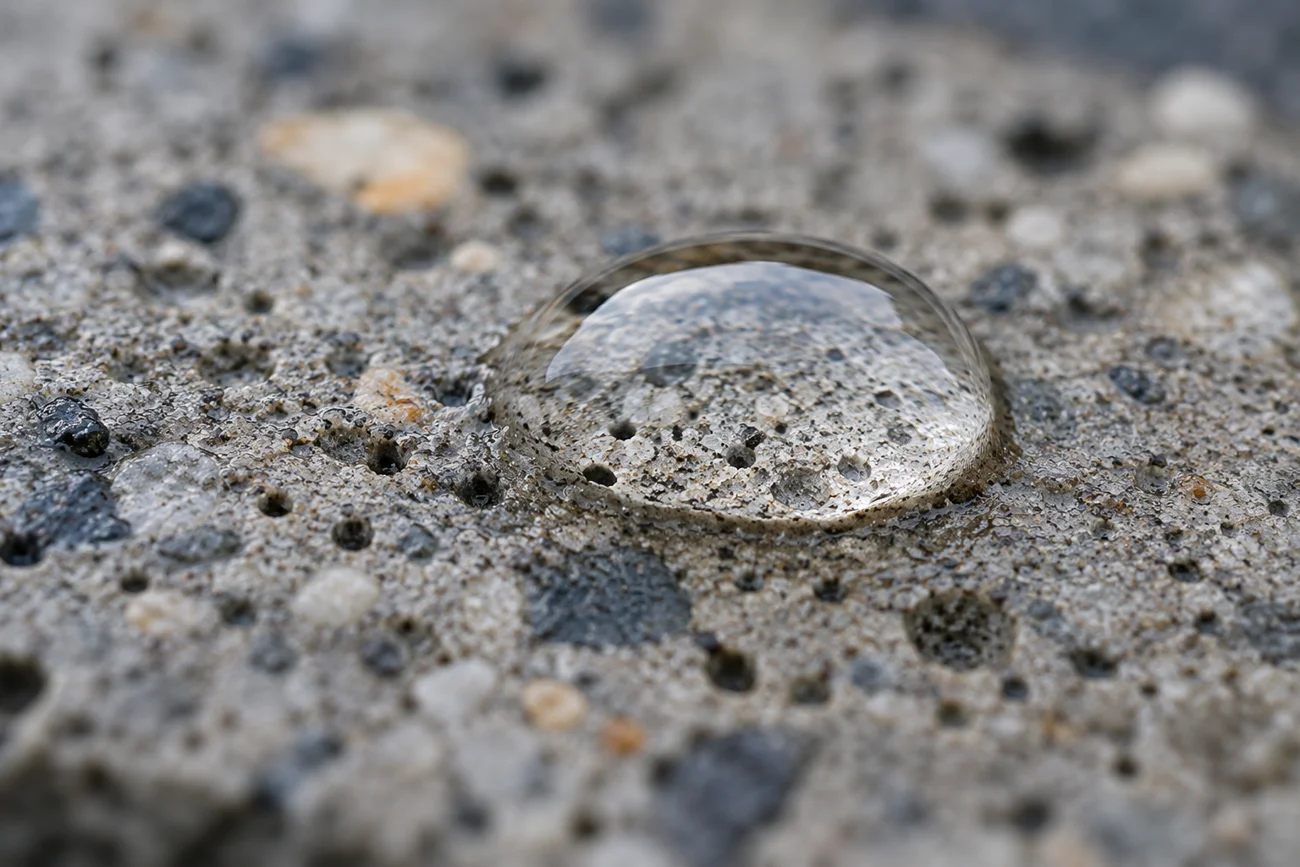
Concrete & pavers
Concrete and pavers: porosity, penetrating treatments and finish choices.
Explore this application ↗Distinct families
Silanes and siloxanes are families of organosilicon compounds. Siloxanes contain silicon–oxygen–silicon bonds. Commercial formulations may combine components; consult the technical description to understand the system.
A common use on mineral substrates
Some silane or siloxane treatments enter mineral pores and create a water-repellent zone. Depth and effect depend on formulation and substrate. Do not generalize that mechanism to every surface.
What the data sheet should establish
Check approved substrates, concentration, coverage, application method and available tests. Silane, siloxane or nano terminology alone cannot rank products by effectiveness.
Frequently asked questions
Is silane always better than siloxane?
No. Chemical family alone cannot rank products. Substrate, concentration, formulation and testing determine suitability. Compare results on the same material rather than label terminology.
Does a penetrating treatment change colour?
Some products aim for a discreet appearance, but results depend on material and formulation. Test a small area and allow specified drying before judging it. Wet application appearance is not necessarily the final appearance.
This guide separates general principles from manufacturer claims. Product data submitted by Zinox was also reviewed. No independent comparative test results were provided.
Sika Canada — Silane water repellents ↗Zinox — Manufacturer documentation; product-specific statements ↗Continue reading
Nanotechnology and water repellents: understanding the terms ↗