Nanotechnology and water repellents: understanding the terms
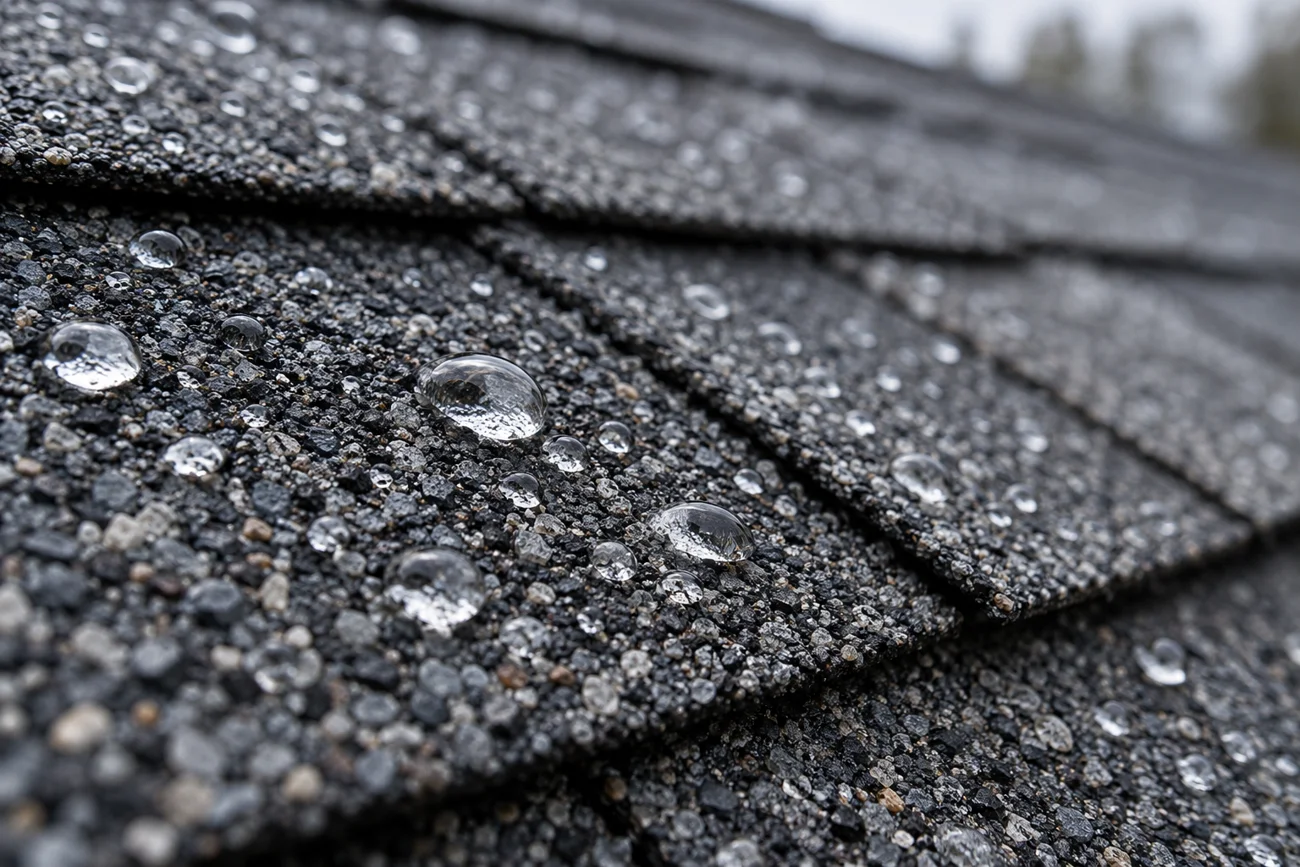
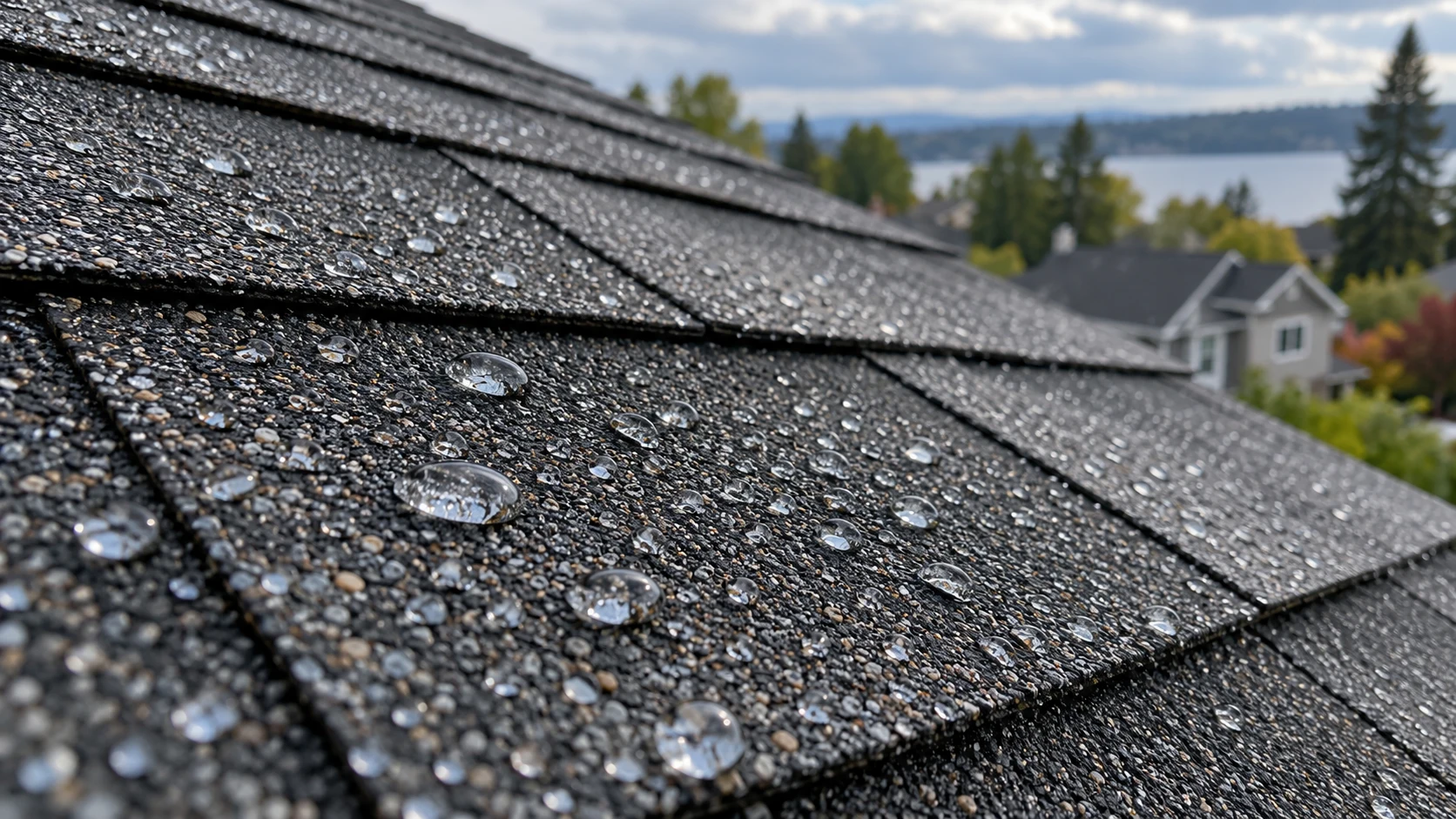
Water beading is visible; performance needs more evidence.
Editorial team · 5 October 2026 · Practical guide
Asphalt shingles
Understand shingle water-repellent treatment, compatibility and application planning.
Explore this application ↗
Exterior wood
Decks, fences and siding: understand protection from wetting and ongoing maintenance.
Explore this application ↗
Concrete & pavers
Concrete and pavers: porosity, penetrating treatments and finish choices.
Explore this application ↗Water-repellent does not mean watertight
A hydrophobic treatment aims to reduce wetting or water absorption on a suitable surface. Beading does not establish leak repair, resistance to water pressure or protection from every kind of stain.
What does nano mean?
Nanotechnology should refer to a documented formulation characteristic. A water-repellent product is not automatically nanotechnological. Compare declared composition, relevant testing and application conditions.
Compare by material
Concrete pores, wood fibres and metal surfaces behave differently. A treatment made to penetrate mineral substrates is not automatically suitable for painted metal or shingles.
Frequently asked questions
Why does water bead after treatment?
A less wettable surface can form droplets instead of a water film. This visual sign does not measure penetration depth, service life or absorption reduction. Useful comparison requires the same substrate and comparable test conditions.
How do shingles, wood and pavers differ?
Start with the substrate. For shingles, confirm roof manufacturer acceptance. For wood, identify species and existing finish. For pavers, assess porosity, joints and previous sealers. One formula does not automatically suit all three.
This guide separates general principles from manufacturer claims. Product data submitted by Zinox was also reviewed. No independent comparative test results were provided.
Sika Canada — Silane water repellents ↗Zinox — Manufacturer documentation; product-specific statements ↗Continue reading
Silane and siloxane: what is the difference? ↗